How to Run a Funding Concentration Stress Test
A two-hour exercise for leadership teams: list your real revenue sources, score them for political exposure, and find out what happens when one disappears.
Read moreWhat we're learning about leadership, AI, and the evolving social profit sector.
Get firm updates via RSS, or subscribe toThe Social Prophetfor our founder's independent analysis.RSS
A two-hour exercise for leadership teams: list your real revenue sources, score them for political exposure, and find out what happens when one disappears.
Read more
Four out of five first-time donors never give again. Four practical moves to rebuild an individual donor base, starting with the number nobody measures.
Read more
Five questions to answer before your board accepts a grant from an AI company: recurring costs, conflicts, data ownership, advocacy, and collective leverage.
Read more
After 35 years inside civil society, I've watched the sector tell itself stories that stopped being true a decade ago. The Social Prophet is where I say what I actually think. Issue #1 is live.
Read more
We signed on as a sponsor of the 2026 AI Equity Project because the questions it asks are the ones we keep coming back to in our own work. Who decides how AI shows up in nonprofit work? Who is accountable when it causes harm? This year's project does not stop at questions, it puts practical tools in people's hands.
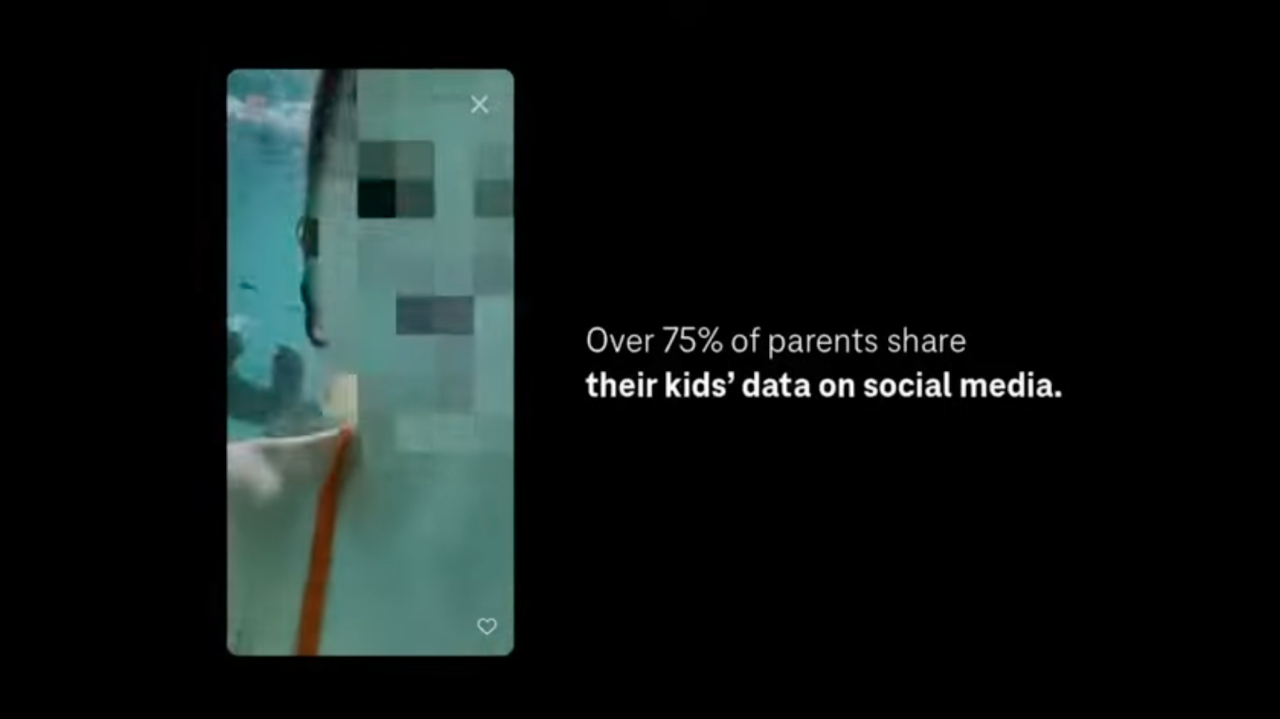
Read moreSitting in a dark theater, this video made Ella's parents cry. It won a Cannes Grand Prix. It's been shared by child safety advocates everywhere. It's been called a must-watch. It also breaks many rules in prevention science. And is probably ineffective.This article explains why fear-based prevention campaigns keep winning awards while the evidence keeps saying they only work when certain rules are followed.
Read moreWhat AI is really changing in boutique consulting, and what it isn't. A reflection on thirty years of consulting work across 35 countries, and whether boutique firms are better positioned than they think.
Read moreEvery year, New York University professor and author Scott Galloway publishes a set of predictions about the near future of business and technology. He is typically speaking to investors and corporate leaders. I react as someone who works every day with in-the-trenches nonprofits.
Read moreAI is already inside philanthropy. It just hasn’t reached the places where power and money decisions get made.
Read moreWhen the year feels heavy, start small. A shared meal. A kind word. A seat for one more. Gratitude isn't the soft option—it's the strategic one.
Read more
After 30 years and 35 countries, the future of consulting depends on our ability to reimagine the past—using AI to amplify human-centered work.
Read moreNew donor perception data shows that the social sector’s most significant innovation challenge isn’t technological—it’s human. In just one year, AI has moved from a sector curiosity to a defining issue for nonprofits and foundations.
Read more
When one of the world's largest foundations decides the U.S. has become too unpredictable to fund, it's not just philanthropy—it's a flight from uncertainty.
Read moreNonprofit teams are tired. Not from AI itself, but from the idea of change. The problem isn’t resistance. It’s exhaustion.
Read moreWalk into almost any nonprofit staff meeting right now, and you’ll hear the same mix of curiosity and anxiety. But we rarely hear the most important question: Is AI bringing us closer to our mission—or quietly pushing us away?
Read moreIf pilots are designed to fail, what's the alternative? How do you transform an organization with AI without isolating innovation, excluding staff, or measuring the wrong things? The answer isn't to be reckless. It's to be radically inclusive.
Read moreEveryone knows the "right" way to adopt AI: Start small. Run a pilot. Test with early adopters. Gather data. Scale what works. Everyone is wrong.
Read moreGoFundMe's unauthorized nonprofit pages strike at the heart of our sector's biggest challenge—the trust crisis that's eroding donor retention and confidence.
Read moreWhen leaders ask, “Is my nonprofit ready for AI?” they often imagine that “ready” means having the technical infrastructure, data pipelines, or staff capacity. But true readiness is an ethical capacity—the ability to spot harm before it happens, to respond when things go off track, and to center equity not as an afterthought but as a design principle.
Read moreWhen people in our sector talk about AI, the conversation often starts with efficiency. How can it help us write faster, reach more people, or stretch our limited capacity? Those are fair questions. But they can also distract from a deeper one: What does AI reveal about us?
Read moreArtificial intelligence is everywhere. From boardrooms to TED Talks, the nonprofit sector is being told that AI will transform the way we work. Yet for many executives, the question isn’t whether AI is powerful—it’s whether it’s worth the investment.
Read moreAt Common Ground, we’ve been leading strategic planning processes for social profit organizations for more than three decades. Our work has always been designed to be unique, efficient, and engaging. We never bought into 10-year, 100-page plan boondoggles. Today, we’re enhancing that same philosophy with new tools that make the process even faster and more effective.
Read moreWhy Albania's Bold Experiment Threatens Democratic Accountability Albania just made history by appointing the world's first AI "minister" to oversee government procurement. As someone who's worked extensively in Albania supporting organizational transformation, particularly justice reform, this deve
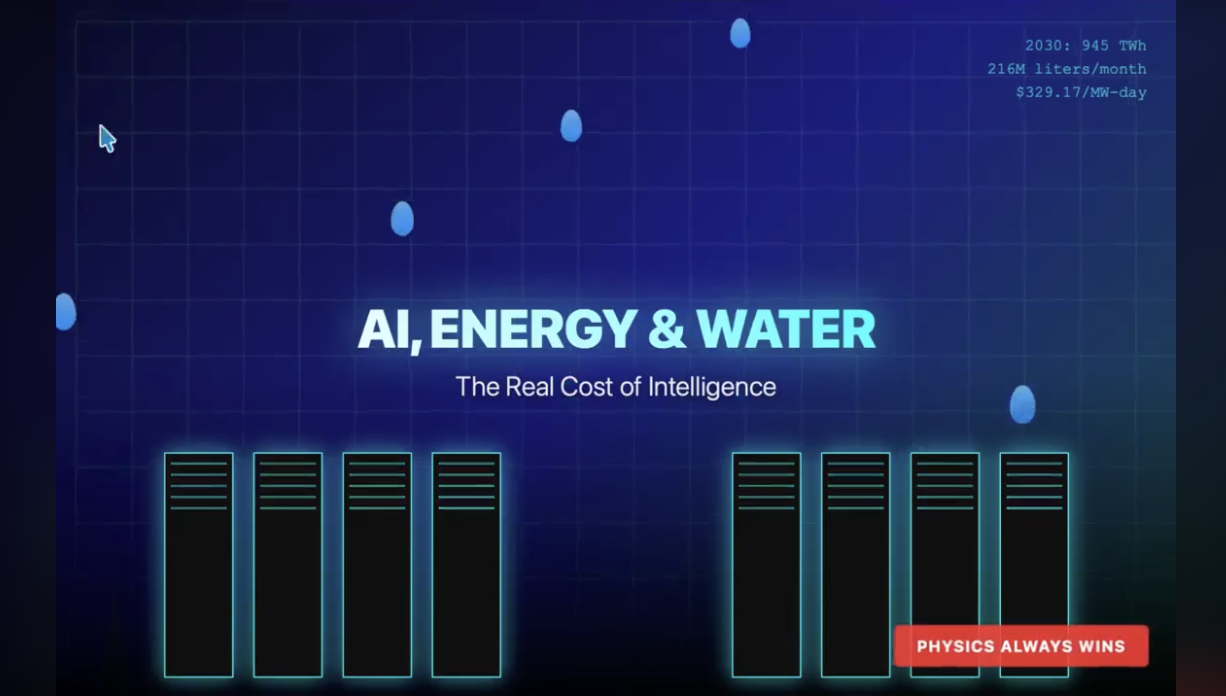
Read moreOur conservation colleagues will think we've sold out to Big Tech. Our AI teams will think we've lost our nerve about what we're building. Good. That means we're finally having the right conversation about AI's environmental footprint—one grounded in measurement, not mythology.
Read more